Your lectures. 50+ flashcards. In minutes.
Upload a PDF or PowerPoint. Get cloze deletions, Q&A cards, and image occlusion cards from your text and diagrams — automatically.
The sinoatrial (SA) node generates impulses at 60–100 bpm
The plateau phase of the cardiac action potential prevents tetanic contraction by maintaining prolonged depolarization
Ejection fraction (EF) = SV/EDV, normal >55%. EF <40% = HFrEF
Your diagrams become flashcards. Automatically.
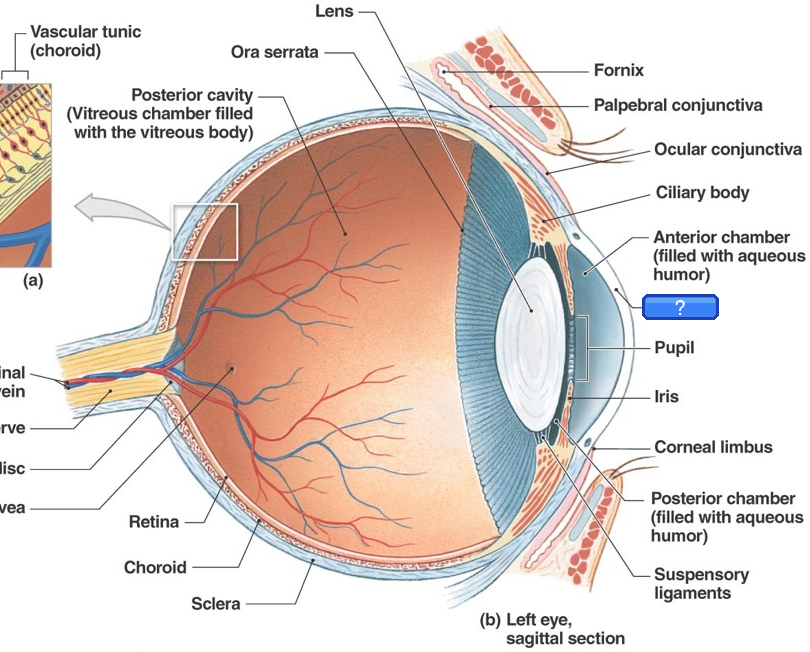
Upload slides with labeled diagrams. Labels are detected automatically and turned into image occlusion cards — hiding one label at a time. Trivial labels are skipped. No manual work.
Works with any labeled diagram
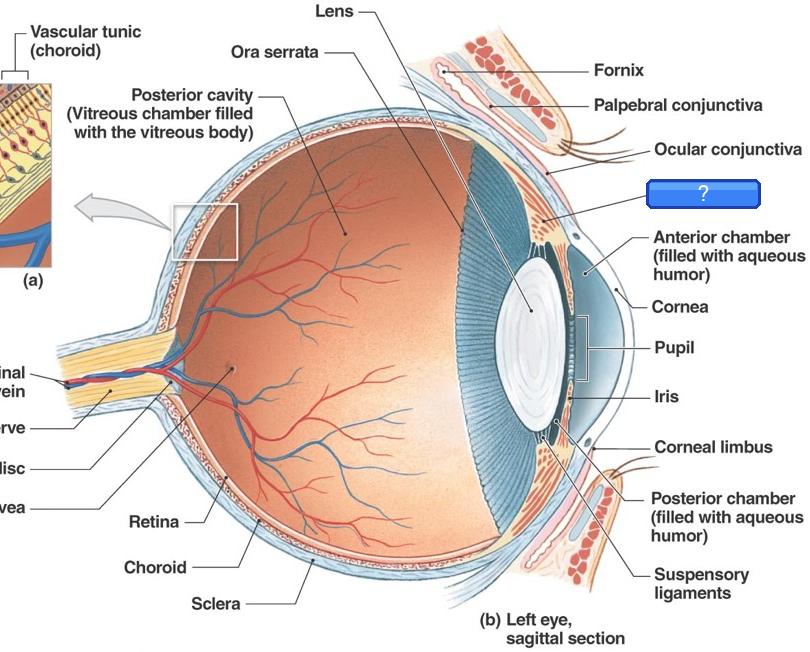
From: Ocular Anatomy
Three card types
Every concept. The right format.
The right card type for each concept — cloze for facts, Q&A for reasoning, image occlusion for diagrams.
Fill in the blank
Key terms, values, and relationships hidden in context. Tests active recall of specific facts.
Label the diagram
AI detects labels on your diagrams and hides them one by one. Skips trivial labels — tests what actually matters.
Explain the mechanism
Reserved for "why" and "how" questions that need deeper reasoning, not just single-word recall.
How it works
Three steps. Just a few minutes.
Upload your slides
Drag and drop any lecture PDF or PowerPoint. Text and images are extracted automatically.
Cards generated automatically
Your text and diagrams become cloze, Q&A, and image occlusion cards. Thorough coverage, no manual work.
Review & export
Edit, like, or delete any card. Export as .apkg and import directly into Anki. Done.
saved per lecture
cloze · Q&A · occlusion
card count adapts to content
formats supported
Pricing
Priced for the med student budget
We know you're surviving on loans and free pizza from lunch lectures. Start free, upgrade when you're ready (or when Step 1 panic sets in).
Free
- 10 generations / month
- Concise depth (~1 card/slide)
- Cloze, Q&A, & image occlusion
- Export to .apkg
- 10 decks in cloud library
- Browser cache (24h)
Plus
- 15 generations / month
- All depth options
- Cloze, Q&A, & image occlusion
- Export to .apkg
- Unlimited cloud library
- Original file storage
Pro
- Unlimited generations
- All depth options
- Cloze, Q&A, & image occlusion
- Export to .apkg
- Unlimited cloud library
- Original file storage
- Premium model (GPT-4o)
- Priority queue
Yes, we wish it could all be free too. Turns out AI models charge by the token and they do not accept exposure as payment. 💸
FAQ
Common questions
Is it really free?
Do I need to create an account?
How good are the generated cards?
Can I customize what types of cards I get?
What file formats are supported?
Will the cards work with my existing Anki setup?
How many cards does it generate?
Can I edit the cards before exporting?
Can I save my decks and access them later?
Is my data private?
Stop spending hours making flashcards.
Upload your first lecture. One file in, dozens of study-ready cards out.

Built by a software engineer with a girlfriend in med school who understands that getting even a little time back can mean everything.
Keefer Gregoire